
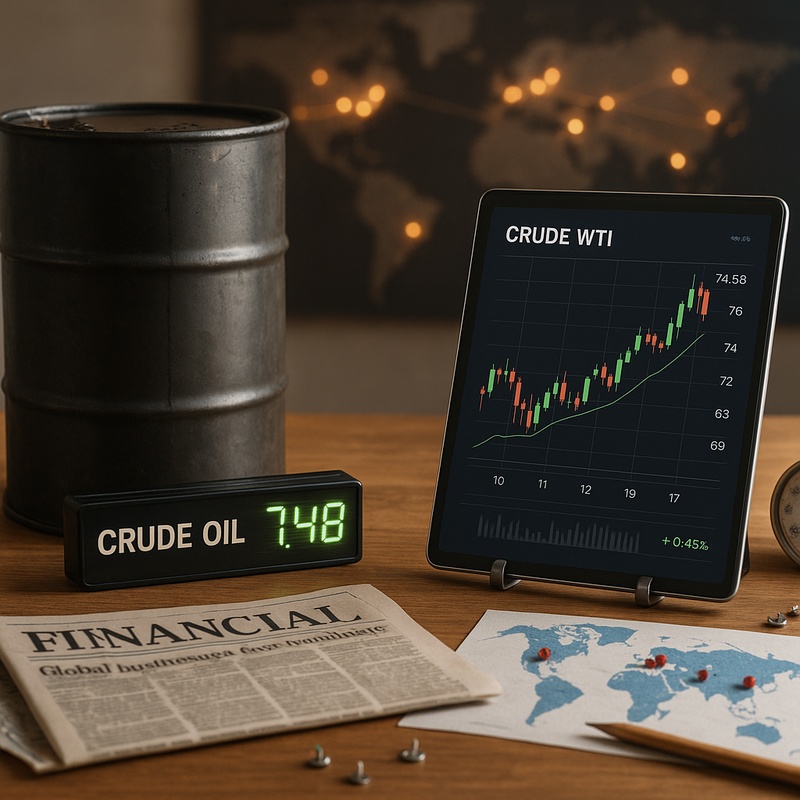
Live Crude Oil Price Today: Understanding Its Dynamics
Introduction
As of March 3, 2026, the live crude oil price today is approximately $76.35 per barrel, capturing widespread attention from investors, analysts, and consumers alike. This commodity’s volatility stems from a complex blend of economic conditions, geopolitical shifts, technological breakthroughs, and environmental factors. Understanding these forces behind crude oil price fluctuations is crucial for making informed decisions—whether you’re investing, consuming energy, or shaping policy.
In this article, we’ll dive into today’s price trends, unpack the key factors influencing crude oil prices, review historical patterns, and explore the broader global impact. This comprehensive guide offers clarity on one of the world’s most essential and complex markets.
Current State of Crude Oil Prices
Today, the live crude oil price sits at $76.35 per barrel, marking a significant 7.18% increase from yesterday and a robust 17.20% gain over the last month (Trading Economics, 2026). These changes highlight the ever-shifting nature of the crude oil market.
Key Pricing Details:
- Today’s Price: $76.35/barrel
- Daily Change: +7.18%
- Monthly Change: +17.20%
Such pricing momentum emphasizes the market’s sensitivity to global developments and rapid fluctuations.
Factors Influencing Crude Oil Prices
Crude oil prices are shaped by a web of interconnected factors. Here’s a closer look at the main drivers:
1. Supply and Demand Dynamics
The classic balance between supply and demand remains central:
- Supply: Leading producers like the U.S. (notably shale oil), OPEC nations, and Russia heavily influence global output.
- Demand: Growing economies such as China and India drive increased consumption, especially in transportation and manufacturing sectors.
Any imbalance—whether excess supply or production limits—can quickly push prices up or down as the market seeks equilibrium.
2. Geopolitical Events
The geopolitical arena plays a pivotal role:
- Tensions and conflicts in oil-rich regions, particularly the Middle East, often disrupt supply and trigger price surges.
- Sanctions, trade wars, and diplomatic strains involving major producers inject uncertainty and volatility into pricing.
3. Financial Markets and Currency Fluctuations
Since crude oil trades mainly in U.S. dollars, currency strength impacts prices globally. A stronger dollar raises oil costs in other currencies, potentially reducing demand.
4. Natural Disasters and Environmental Factors
Hurricanes and natural disasters—especially in critical production areas like the Gulf of Mexico—can temporarily cut supply and drive prices up. Meanwhile, environmental policies increasingly shape both production and consumption patterns.
5. Technological Advancements
Innovations like hydraulic fracturing and horizontal drilling have revolutionized extraction processes, notably boosting U.S. production capacity.
6. Economic Growth
Global economic health directly influences oil demand—strong growth tends to lift consumption and prices, while economic slowdowns have the opposite effect.
In summary, crude oil prices respond to a mix of supply-demand shifts, geopolitical risks, currency movements, technological changes, and economic trends.
Historical Trends in Crude Oil Prices
Looking back provides essential perspective:
- From 2014 to 2016, prices plummeted from nearly $100 to under $30 per barrel, driven by oversupply and geopolitical unrest.
- Gradual supply adjustments saw recovery to $50–$60 by late 2017.
- The 2020 pandemic triggered an unprecedented demand crash, with futures briefly dipping below zero.
- Post-pandemic recovery and supply constraints pushed prices into the $70–$80 range by 2023.
As of 2026, the market leans upward amid ongoing geopolitical uncertainty and supply-side challenges, reaffirming crude oil’s inherent volatility.
Implications of Crude Oil Prices
Economic Impact
- Inflation: Rising oil costs increase transportation and manufacturing expenses, fueling broader inflation.
- Investment: Higher prices stimulate alternative energy investments but can strain oil-dependent economies.
- Trade: Price shifts influence trade balances, impacting importers and exporters differently.
Environmental Considerations
Higher crude oil prices accelerate the transition to renewables, complementing regulatory efforts to cut fossil fuel reliance.
Energy Security
Volatility prompts oil-importing nations to diversify energy sources and enhance energy independence strategies.
Conclusion
Today’s live crude oil price of $76.35 per barrel reflects a complex global market driven by economic trends, geopolitical events, technological innovation, and evolving environmental policies. These price fluctuations ripple through economies, industries, and consumers worldwide.
Key Takeaways
- Crude oil prices remain volatile due to intertwined factors such as supply-demand dynamics, geopolitical tensions, currency changes, and technology.
- Historical cycles show the market’s unpredictable yet patterned nature.
- Understanding these drivers is essential for navigating today’s energy markets effectively.
Next Steps
Stay updated with reliable sources like Trading Economics and OilPrice.com for current pricing and market insights. Exploring diversified energy investments and alternative consumption strategies can help you prepare for an evolving energy landscape.
Keeping abreast of live crude oil price today empowers you to make smarter decisions amid global economic uncertainties.
