
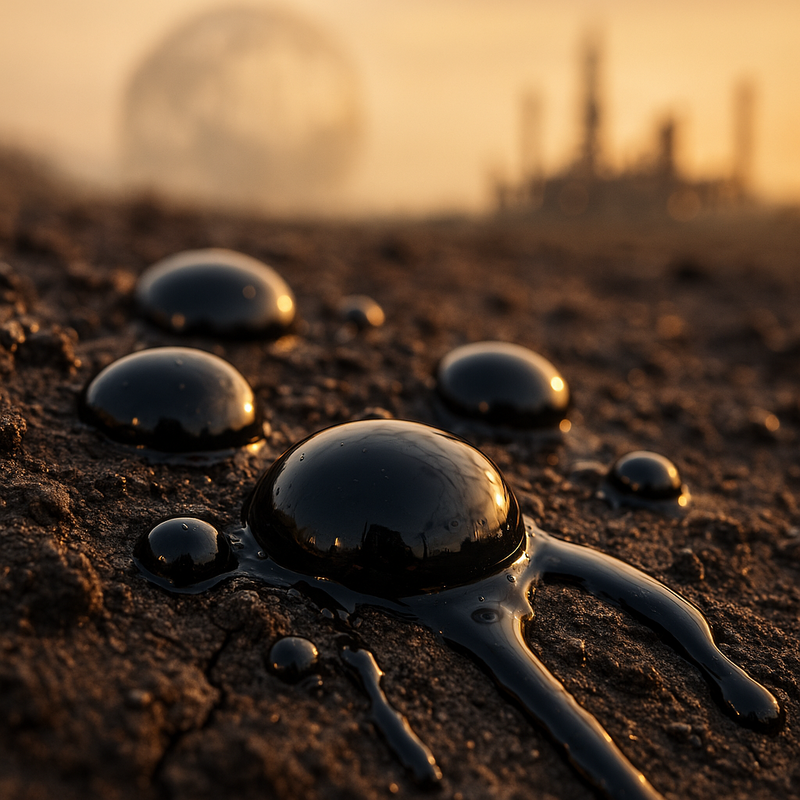
Crude Oil: What Is It? Understanding the Black Gold of the Earth
Introduction
Crude oil, often called “black gold,” is one of the most valuable natural resources fueling our modern world. Far beyond just powering vehicles and heating homes, crude oil serves as the backbone for countless industries and everyday products. Its extraction, refining, and global consumption shape economies and geopolitics alike. As the push for sustainability and alternative energy gains momentum, understanding crude oil’s origins, properties, and impact has never been more crucial.
This article breaks down what crude oil really is, how it forms, the different types you should know about, and why it remains a key player in today’s—and tomorrow’s—energy landscape.
What Is Crude Oil?
Crude oil is an unrefined liquid petroleum made primarily of hydrocarbons—compounds of hydrogen and carbon atoms. It started out as the remains of tiny ancient marine organisms like plankton and algae, which transformed under intense heat and pressure over millions of years into this valuable energy source.
Composition of Crude Oil
While the exact composition varies by location, crude oil mainly contains:
- Hydrocarbons: The core components including:
- Alkanes like methane and ethane (simple, saturated hydrocarbons).
- Cycloalkanes featuring ring-shaped molecules.
- Aromatic hydrocarbons with carbon rings and alternating bonds.
- Non-Hydrocarbon Elements: Present in smaller amounts, such as:
- Sulfur compounds (affect smell and corrosion).
- Nitrogen and oxygen compounds (influence refining complexity).
These elements determine crude oil’s density, thickness (viscosity), and volatility, which all affect how it’s processed and used.
How Is Crude Oil Formed?
The birth of crude oil unfolds over millions of years through a fascinating geological process:
- Organic Material Accumulation: Dead marine organisms settle on the ocean floor, mixing with sediments.
- Burial and Transformation: Layers of sediment bury this organic matter, applying heat and pressure that convert it into kerogen, a waxy precursor to oil.
- Thermal Maturation: Continued heat breaks down kerogen into liquid hydrocarbons—the actual crude oil.
- Migration: Less dense oil moves upward through porous rocks until trapped by impermeable rock formations.
- Accumulation: These trapped pockets form oil reservoirs ready for extraction.
Grasping this natural process is key to locating and harvesting crude oil efficiently.
Types of Crude Oil
Crude oil is classified by its physical traits and sulfur content, both of which impact refining and market value.
Light Crude Oil
- Properties: Low density and viscosity, flows easily.
- Benefits: Simpler and cheaper to refine into fuels like gasoline.
- Uses: Favored for many fuel and petrochemical applications.
Heavy Crude Oil
- Properties: Thick, dense, and more viscous.
- Refining: Requires more complex processes and is often converted into products like asphalt.
Medium Crude Oil
Falls between light and heavy in characteristics and refining needs.
Sour vs. Sweet Crude
- Sour Crude: Contains higher sulfur, demanding extensive refining to remove impurities.
- Sweet Crude: Low sulfur content, making refining more straightforward and cost-effective.
These distinctions influence crude oil pricing and refinery strategies worldwide.
The Extraction Process
Extracting crude oil varies depending on the location and characteristics of the reservoir.
Onshore Drilling
- Uses land-based rigs to tap into deposits.
- Generally less expensive and technologically simpler.
Offshore Drilling
- Conducted in oceans using specialized platforms.
- Involves higher costs and advanced technology.
Enhanced Oil Recovery (EOR)
Techniques like steam injection and gas flooding boost recovery from mature or tough reservoirs.
Each method comes with operational challenges, environmental considerations, and regulatory requirements.
Global Supply and Demand Dynamics
The global crude oil market is governed by various economic, technological, and geopolitical factors.
Key Players
- OPEC: A coalition of oil-exporting countries working together to stabilize oil prices.
- Non-OPEC Producers: Nations like the U.S., Russia, and Canada significantly influence global output.
Market Trends
- Techniques like hydraulic fracturing have spiked production in places like the U.S.
- Increasing investment in renewable energy shifts long-term demand forecasts.
- Political events continue to sway supply reliability and pricing.
Understanding these dynamics is essential for predicting market trends and energy policies.
Environmental Considerations and Challenges
Crude oil’s extraction and use come with environmental risks:
- Oil Spills: Devastating to marine and coastal ecosystems.
- Carbon Emissions: Burning oil fuels is a major source of greenhouse gases driving climate change.
- Pollution Risks: Extraction can contaminate soil and water sources.
In response, stricter environmental regulations and new technologies aim to mitigate these impacts, while cleaner energy alternatives gain ground.
The Future of Crude Oil
- Focus on Sustainability: Cleaner extraction methods and carbon reduction initiatives are underway.
- Technological Innovation: Automation, AI, and data analytics are enhancing efficiency and safety.
- Geopolitical Importance: Oil remains a powerful geopolitical asset influencing international relations.
- Energy Transition: Renewable energy growth challenges crude oil’s dominance but also sparks adaptation and diversification.
The energy sector is evolving, and crude oil will continue to be a significant part of that transformation.
Conclusion
Crude oil is a vital natural resource with a rich geological history, complex properties, and widespread impact. While it fuels much of the world’s industry and lifestyle, its extraction and use pose environmental and economic challenges. As the globe moves toward cleaner energy, understanding crude oil’s intrinsic nature and significance is key to navigating our energy future.
Key Takeaways
- Crude oil is a naturally formed hydrocarbon mixture originating from ancient organic matter.
- Variations in density, viscosity, and sulfur content define crude oil types and their refining value.
- Extraction methods range from simple onshore drilling to complex enhanced recovery techniques.
- Global supply and demand hinge on technological advances, geopolitics, and economic trends.
- Environmental challenges drive innovation and fuel the shift toward sustainable energy.
Next Steps
For further exploration of crude oil technology and market insights, visit resources such as the International Energy Agency (IEA) and the U.S. Energy Information Administration (EIA). Staying informed is essential to understand and engage confidently with the evolving energy landscape.
