Crude Oil Solutions: Light & Heavy Grades
Your Trusted Partner in Global Crude Oil Supply
ZhimaJituan delivers comprehensive crude oil solutions to clients across China and global markets. With over 20 years of direct procurement expertise, strategic partnerships with national oil companies and refineries across Russia, Iran, Iraq, Oman, Qatar, and Malaysia, and a profound understanding of Chinese import specifications and market dynamics, we are uniquely positioned to supply high-quality light and heavy crude grades that meet the most demanding refinery requirements.
Headquartered in Guangzhou and Wuhan—two of China’s most strategic logistics and industrial hubs—with additional operations across the Middle East, we offer end-to-end solutions encompassing contract negotiation, multi-currency payments, logistics coordination, and reliable delivery. Our track record spans more than 2,000 successful crude oil contracts, demonstrating our capability to execute consistently across market cycles and geopolitical environments.
Whether you require spot cargoes or long-term supply agreements, light sweet crude for high distillate yield or heavy sour grades for complex refinery configurations, ZhimaJituan is your partner for consistent, compliant, and cost-effective crude oil supply.
Why Crude Oil?
Crude oil remains the lifeblood of the global economy, serving as the essential feedstock for transportation fuels, petrochemicals, and countless industrial products. As the world’s largest crude oil importer, China’s refining sector demands a diverse portfolio of crude grades to optimize yields and maximize margins.
China’s Crude Oil Import Landscape
| Metric | Value | Source |
|---|---|---|
| Annual Import Volume | ~550 million tons | Industry estimates |
| Import Dependency | >70% | Industry estimates |
| Non-State Trade Quota (2026) | 257 million tons | Ministry of Commerce |
| Largest Suppliers | Russia, Saudi Arabia, Iraq, Oman, Malaysia, Iran | Customs data |
| Seaborne Imports (Dec 2025) | 12 million bpd (record high) | Vortexa |
Key Applications of Crude Oil in China
| Sector | Application | Refinery Type |
|---|---|---|
| Transportation Fuels | Gasoline, diesel, jet fuel | All refineries |
| Petrochemicals | Olefins, aromatics, plastics | Integrated complexes |
| Industrial Fuels | Fuel oil, petcoke | Specialty refineries |
| Lubricants | Base oils | Niche producers |
| Asphalt | Road construction | Bitumen-focused refineries |
Our Crude Oil Product Portfolio
Crude Oil Classification
Crude oils are primarily classified by two key parameters:
API Gravity – Measures density (light vs heavy)
Sulfur Content – Measures sweetness (low sulfur) vs sourness (high sulfur)
| Classification | API Gravity | Sulfur Content | Typical Value |
|---|---|---|---|
| Light Crude | >31.1° API | Varies | Higher gasoline/diesel yield |
| Medium Crude | 22.3–31.1° API | Varies | Balanced yield |
| Heavy Crude | <22.3° API | Varies | Higher residual fuel yield |
| Sweet Crude | Varies | <0.5% | Lower processing cost |
| Sour Crude | Varies | >0.5% | Requires desulfurization |
Crude Grades We Supply
Light Crudes
| Grade | Origin | API Gravity | Sulfur | Key Characteristics |
|---|---|---|---|---|
| Tapis | Malaysia | 43–45° | 0.04% | Benchmark light sweet; premium distillate yield |
| ESPO Blend | Russia | 34–35° | 0.5% | Light medium sour; Siberia-Pacific pipeline |
| Iran Light | Iran | 33–35° | 1.4% | Light medium sour; consistent quality |
| Basrah Light | Iraq | 29–31° | 2.5–3.0% | Medium sour; benchmark Iraqi grade |
| Qatar Land | Qatar | 40–42° | 1.0–1.5% | Light medium sour |
| Oman Export | Oman | 31–33° | 1.0–1.5% | Medium sour; Dubai benchmark component |
Heavy Crudes
| Grade | Origin | API Gravity | Sulfur | Key Characteristics |
|---|---|---|---|---|
| Urals | Russia | 31–32° | 1.5–1.8% | Medium sour; Russia's flagship export |
| Iran Heavy | Iran | 29–31° | 1.8–2.0% | Medium sour; good cracking yield |
| Basrah Heavy | Iraq | 23–25° | 3.5–4.0% | Heavy sour; discounted pricing |
| Ratawi | Iraq | 23–25° | 3.5–4.0% | Heavy sour; Kuwait/Iraq Neutral Zone |
| Kuwait Export | Kuwait | 30–32° | 2.5–2.8% | Medium sour |
| Venezuelan Heavy | Venezuela | 16–22° | 2.0–3.5% | Extra heavy; bitumen-focused |
Quality Specifications by Grade
| Parameter | Light Sweet (e.g., Tapis) | Light Sour (e.g., ESPO) | Medium Sour (e.g., Oman) | Heavy Sour (e.g., Basrah Heavy) |
|---|---|---|---|---|
| API Gravity | 43–45° | 34–35° | 31–33° | 23–25° |
| Sulfur (wt%) | 0.04% | 0.5% | 1.0–1.5% | 3.5–4.0% |
| Pour Point (°C) | +30 | -15 | -30 | -30 |
| Total Acid Number (mg KOH/g) | <0.1 | <0.1 | <0.1 | 0.1–0.3 |
| Nickel (ppm) | <1 | 5–10 | 10–20 | 30–50 |
| Vanadium (ppm) | <1 | 10–20 | 20–40 | 60–100 |
The Chinese Crude Oil Market: Specifications & Demand
China’s Refining Landscape
China’s refining sector is diverse, encompassing:
State-owned giants (Sinopec, PetroChina, CNOOC) – Complex, integrated refineries
Independent “teapot” refineries (primarily in Shandong) – Flexible, margin-focused
Private integrated complexes (e.g., Yulong, Hengli, Rongsheng) – World-scale, modern
Most Demanded Crude Specifications in China
By Refinery Type
| Refinery Type | Preferred Crude Characteristics | Key Grades |
|---|---|---|
| Complex State Refineries | Wide range; can process heavy sour | Urals, Basrah Heavy, Iran Heavy |
| Simple Teapot Refineries | Light sweet; low sulfur; high distillate yield | ESPO, Oman, Basrah Light |
| Integrated Petrochemical Complexes | Light; high naphtha yield | Tapis, Condensates, Light grades |
Key Applications Driving Chinese Demand
| Application | Crude Preference | Refining Objective |
|---|---|---|
| Gasoline Production | Light sweet | High naphtha yield for FCC |
| Diesel Production | Medium sweet/sour | Balanced middle distillates |
| Petrochemical Feedstock | Light, naphtha-rich | Maximize steam cracker feed |
| Asphalt Production | Heavy, high-residue | Maximize vacuum residue |
| Fuel Oil Blending | Heavy sour | Residual fuel market |
Current Market Dynamics (2026)
| Trend | Detail | Source |
|---|---|---|
| Russian Influx | China importing >2 million bpd from Russia (Feb 2026 record) | Kpler, Vortexa |
| Saudi Competition | Aramco slashed OSPs to 5-year low, boosting Chinese demand | |
| Iranian Flows | Steady at ~1.3 million bpd; discounts track Russian weakness | Vortexa |
| Venezuelan Imports | Record ~660,000 bpd (Nov 2025); storage constraints emerging | Vortexa |
| Quota System | 257 million tons non-state quota for 2026; 70% allocated in first two batches |
Optimal Sourcing Countries for Chinese Crude Oil Imports
Based on our 20+ years of experience and analysis of China’s import patterns, certain countries offer distinct advantages when supplying crude oil to the Chinese market.
Russia

The Dominant Supplier with Competitive Pricing
Why Russia Excels for China:
| Advantage | Detail |
|---|---|
| Pricing Advantage | Deeply discounted barrels; delivered-to-Shandong differentials at lowest since Feb 2023 |
| Volume | Largest supplier to China (~17% market share); >2 million bpd in Feb 2026 |
| Logistics Flexibility | ESPO pipeline (direct to China), Far East ports (Kozmino), Arctic LNG (seasonal) |
| Grade Diversity | Urals (medium sour), ESPO (light sweet), Sokol (light sweet), Vityaz (light) |
| Strategic Partnership | Strong Russia-China energy ties |
Russian Crude Typical Specifications:
| Grade | API | Sulfur | Key Advantage |
|---|---|---|---|
| ESPO Blend | 34–35° | 0.5% | Light; pipeline direct to China |
| Urals | 31–32° | 1.5–1.8% | Medium sour; discounted |
| Sokol | 35–37° | 0.2–0.3% | Light sweet; premium |
| Vityaz | 33–35° | 0.2–0.3% | Light sweet; Sakhalin production |
Recent Performance: China’s seaborne Russian crude imports surged above 1.5 million bpd in December 2025, compared with an average of ~1.2 million bpd over the first eleven months . The influx of discounted Russian barrels has crowded out competing Iranian crude .
ZhimaJituan’s Advantage: With 20+ years of experience in the Russian market, we maintain direct relationships with producers, navigate sanctions compliance expertly, and offer competitive pricing through established channels.
Iraq

Strategic Supplier with Growing Volumes
Why Iraq Excels for China:
| Advantage | Detail |
|---|---|
| Volume Reliability | Consistent major supplier; Basrah grades are benchmarks |
| Grade Diversity | Basrah Light (29–31° API), Basrah Heavy (23–25° API) |
| Location | Gulf exports via Basrah (Mina Al-Bakr, Khor Al-Zubair) |
| Pricing | Competitive, often linked to official selling prices |
| Familiarity | Widely traded, well-understood grades |
Iraqi Crude Typical Specifications:
| Grade | API | Sulfur | Characteristics |
|---|---|---|---|
| Basrah Light | 29–31° | 2.5–3.0% | Medium sour; benchmark Iraqi grade |
| Basrah Heavy | 23–25° | 3.5–4.0% | Heavy sour; discounted |
Market Position: Iraq consistently ranks among China’s top crude suppliers, with Basrah grades forming a core part of both state refinery and independent refiner feedstock slates.
ZhimaJituan’s Advantage: Our on-the-ground relationships in Iraq ensure smooth operations at Basrah ports, timely nominations, and competitive allocations.
Qatar

Light Crude Producer
Why Qatar Excels for China:
| Advantage | Detail |
|---|---|
| Quality | Light grades with moderate sulfur |
| Reliability | State-backed producer with consistent operations |
| LNG Focus | Crude available alongside condensates |
Qatari Crude Typical Specifications:
| Grade | API | Sulfur | Characteristics |
|---|---|---|---|
| Qatar Land | 40–42° | 1.0–1.5% | Light medium sour |
| Qatar Marine | 32–34° | 1.5–2.0% | Medium sour |
Market Position: Qatar’s crude production is modest compared to its LNG dominance, but offers quality light grades valued by sophisticated refiners.
Iran
Cost-Advantaged Heavy & Light Grades
Why Iran Excels for China:
| Advantage | Detail |
|---|---|
| Cost Leadership | Steep discounts tracking Russian price weakness |
| Consistent Supply | Steady ~1.3 million bpd to Chinese teapot refiners |
| Grade Diversity | Iran Light (33–35° API), Iran Heavy (29–31° API) |
| Teapot Dominance | Primary feedstock for independent Shandong refiners |
| Payment Expertise | ZhimaJituan’s deep experience ensures smooth, compliant transactions |
Iranian Crude Typical Specifications:
| Grade | API | Sulfur | Typical Use |
|---|---|---|---|
| Iran Light | 33–35° | 1.4–1.5% | Light sour; high distillate yield |
| Iran Heavy | 29–31° | 1.8–2.0% | Medium sour; good cracking feedstock |
Critical Considerations:
Iranian crude remains outside state refinery and national reserve programs
Primarily flows to independent teapot refiners in Shandong
Requires specialized payment mechanisms and shipping insurance expertise
Steeper discounts ensure continued foothold despite Russian competition
ZhimaJituan’s Advantage: With 20+ years of experience in the Iranian market, we have established robust relationships, compliant payment structures, and logistical expertise that few competitors can match. We are uniquely positioned to source both Iranian Light and Heavy grades for Chinese buyers.
Oman

Premium Regional Supplier
Why Oman Excels for China:
| Advantage | Detail |
|---|---|
| Quality | Consistent medium sour grade; Dubai benchmark component |
| Location | Arabian Sea ports (Sohar, Mina Al Fahal, Duqm) avoid Strait of Hormuz |
| Reliability | Stable exporter with modern export infrastructure |
| Pricing Transparency | Widely quoted; used in Dubai/Oman benchmark |
Omani Crude Typical Specifications:
| Grade | API | Sulfur | Characteristics |
|---|---|---|---|
| Oman Export Blend | 31–33° | 1.0–1.5% | Medium sour; consistent quality |
Market Position: Oman crude is a staple for Asian refiners, particularly those optimized for medium sour grades. Its location outside the Strait of Hormuz offers supply security advantages.
Malaysia
Light Sweet Specialist
Why Malaysia Excels for China:
| Advantage | Detail |
|---|---|
| Quality Excellence | Tapis is Asia’s premier light sweet benchmark; ultra-low sulfur |
| Proximity | Shortest transit time to China (3–7 days) |
| Premium Value | Commands premium for high distillate yield |
| Reliability | Petronas-operated; consistent quality |
Malaysian Crude Typical Specifications:
| Grade | API | Sulfur | Characteristics |
|---|---|---|---|
| Tapis | 43–45° | 0.04% | Ultra-light, ultra-sweet; benchmark |
| Labuan | 41–43° | 0.05% | Light sweet |
| Miri | 39–41° | 0.06% | Light sweet |
| Kikeh | 36–38° | 0.08% | Light medium-sweet |
Market Position: Tapis crude is the benchmark for light sweet grades in Asia, prized for its high yield of gasoline and middle distillates. It commands a premium but delivers superior refining margins.
Recent Trend: Malaysia’s share of China’s crude imports rose to 7.91% in 2025 from 6.73% in 2024, reflecting China’s diversification efforts .
Crude Oil Heavy and Light Grades ZhimaJituan

Comparative Analysis: Best Source by Priority
| Priority | Best Source | Why |
|---|---|---|
| Lowest Cost | Russia / Iran | Deeply discounted barrels; aggressive pricing |
| Volume Reliability | Russia / Iraq | Consistent major suppliers |
| Quality Premium | Malaysia (Tapis) | Benchmark light sweet; premium distillate yield |
| Light Sweet | Malaysia / Russia (ESPO) | High-value light grades |
| Heavy Sour | Iraq / Iran | Basrah Heavy, Iran Heavy |
| Supply Security | Oman / Malaysia | Avoid Strait of Hormuz |
| Payment Ease | Oman / Malaysia / Iraq | Standard banking channels |
Pricing Mechanisms in Crude Oil Trade
Key Price Benchmarks
| Benchmark | Region | Application |
|---|---|---|
| Brent Crude | Global | ~2/3 of global crude priced off Brent |
| WTI (West Texas Intermediate) | US | US domestic benchmark |
| Dubai/Oman | Asia | Middle East sour crude benchmark |
| ESPO Blend | Asia | Russian Far East benchmark |
| Tapis | Asia | Light sweet benchmark |
| Urals | Europe/Asia | Russian export benchmark |
Official Selling Prices (OSPs)
Major producers publish monthly Official Selling Prices that set the basis for term contracts:
| Producer | Benchmark | Notes |
|---|---|---|
| Saudi Aramco | Dubai/Oman | Regional benchmark for Middle East |
| Iraq (SOMO) | Dubai/Brent | Varies by destination |
| Iran (NIOC) | Various | Often discounted |
| Qatar Petroleum | Dubai/Oman | Regional |
| Russia (Transneft) | Various | ESPO, Urals formulas |
Recent Example: Saudi Aramco slashed its OSPs for Asia to the lowest level versus regional benchmarks in more than five years (early 2026), stoking Chinese refiner appetite .
Pricing Formula Structures
| Contract Type | Formula | Application |
|---|---|---|
| Term Contract | Benchmark OSP + differential | Long-term supply |
| Spot Purchase | Prevailing market price | Single cargoes |
| Formula Pricing | Average of benchmark over period +/- spread | Monthly/quarterly pricing |
| Fixed Price | Negotiated fixed rate | Short-term certainty |
Russian Pricing Dynamics
Russian crude pricing typically reflects:
| Grade | Pricing Basis | Typical Discount |
|---|---|---|
| ESPO | Dubai/Oman + differential | Often at premium (quality) |
| Urals | Brent minus discount | Deep discounts recently |
Delivered-to-Shandong differentials for Russian crude grades fell to their lowest levels since February 2023, as other Asian buyers either halted or markedly reduced purchases .
Iranian Pricing Dynamics
Iranian crude pricing typically reflects:
Significant discount to Brent/Dubai benchmarks
Tracks Russian price weakness to remain competitive
Premium for payment/settlement complexity
Chinese Domestic Pricing
China is advancing crude oil pricing reform through:
INEC (Shanghai International Energy Exchange) – Crude oil futures with physical delivery
Price reporting agencies – Argus, Platts, ICIS assessments
ZhimaJituan's Pricing Advantage
With direct contracts across multiple sourcing countries, we offer clients:
- Competitive Pricing
- Multiple Benchmarks
- Transparent Formulas
- Hedging Support
- Multi-Currency Options
Logistics & Delivery
Options
Shipping Modes for Crude Oil
| Mode | Suitable For | Typical Volume |
|---|---|---|
| VLCC (Very Large Crude Carrier) | Long-haul, large volumes | 2 million barrels (270,000–300,000 MT) |
| Suezmax | Medium-haul | 1 million barrels (130,000–150,000 MT) |
| Aframax | Regional/short-haul | 600,000–700,000 barrels (80,000–100,000 MT) |
| Pipeline | Overland (Russia-China) | ESPO pipeline: ~600,000 bpd capacity |
Key Loading Ports by Country
| Country | Primary Crude Export Terminals |
|---|---|
| Russia | Kozmino (ESPO), Novorossiysk (Urals), Primorsk (Urals), Ust-Luga (Urals), Sakhalin (Sokol/Vityaz) |
| Iran | Kharg Island, Bandar Abbas, Asaluyeh |
| Iraq | Basrah (Mina Al-Bakr, Khor Al-Zubair) |
| Oman | Sohar, Mina Al Fahal, Duqm |
| Qatar | Mesaieed, Ras Laffan (condensates) |
| Malaysia | Bintulu, Port Dickson, Melaka, Johor |
| Saudi Arabia | Ras Tanura, Yanbu, Juaymah |
| Kuwait | Mina Al-Ahmadi, Mina Abdullah |
Chinese Discharge Ports
We regularly deliver crude oil to major Chinese receiving terminals, including:
| Region | Key Ports | Refinery Access |
|---|---|---|
| North China | Tianjin, Dalian, Qingdao, Rizhao, Yantai | Bohai Rim refining cluster |
| East China | Ningbo, Zhoushan, Shanghai, Nanjing | Yangtze River Delta refineries |
| South China | Guangzhou, Shenzhen, Zhuhai, Huizhou, Maoming, Zhanjiang | Pearl River Delta refineries |
| Shandong | Qingdao, Rizhao, Yantai, Longkou | Teapot refinery heartland |
Shandong Focus: Nearly 15 million barrels of crude were accumulated in Shandong during November-December 2025, aligning with record-high sanctioned crude imports . The Yulong refinery, with 20 million tons/year capacity, has fully pivoted to Russian crude, injecting at least ~250,000 bpd of incremental Russian seaborne demand into Shandong since November 2025 .
Typical Transit Times
| Origin | Destination | Transit Time |
|---|---|---|
| Russia (Kozmino) | North China | 2–3 days |
| Russia (Baltic) | East China | 30–35 days (via Cape of Good Hope) |
| Iran (Kharg Island) | East China | 12–15 days |
| Iraq (Basrah) | East China | 12–15 days |
| Oman | East China | 8–10 days |
| Malaysia | South China | 3–5 days |
| Saudi Arabia | East China | 12–15 days |
Delivery Terms
| Term | Description | Provider |
|---|---|---|
| FOB (Free On Board) | Buyer arranges shipping | Supplier |
| DES (Delivered Ex-Ship) | Supplier arranges shipping | Supplier |
| CFR (Cost & Freight) | Supplier arranges shipping | Supplier |
| CIF (Cost, Insurance, Freight) | Full service | Supplier |
| Pipeline (Russia-China) | Delivered at border | Pipeline operator |
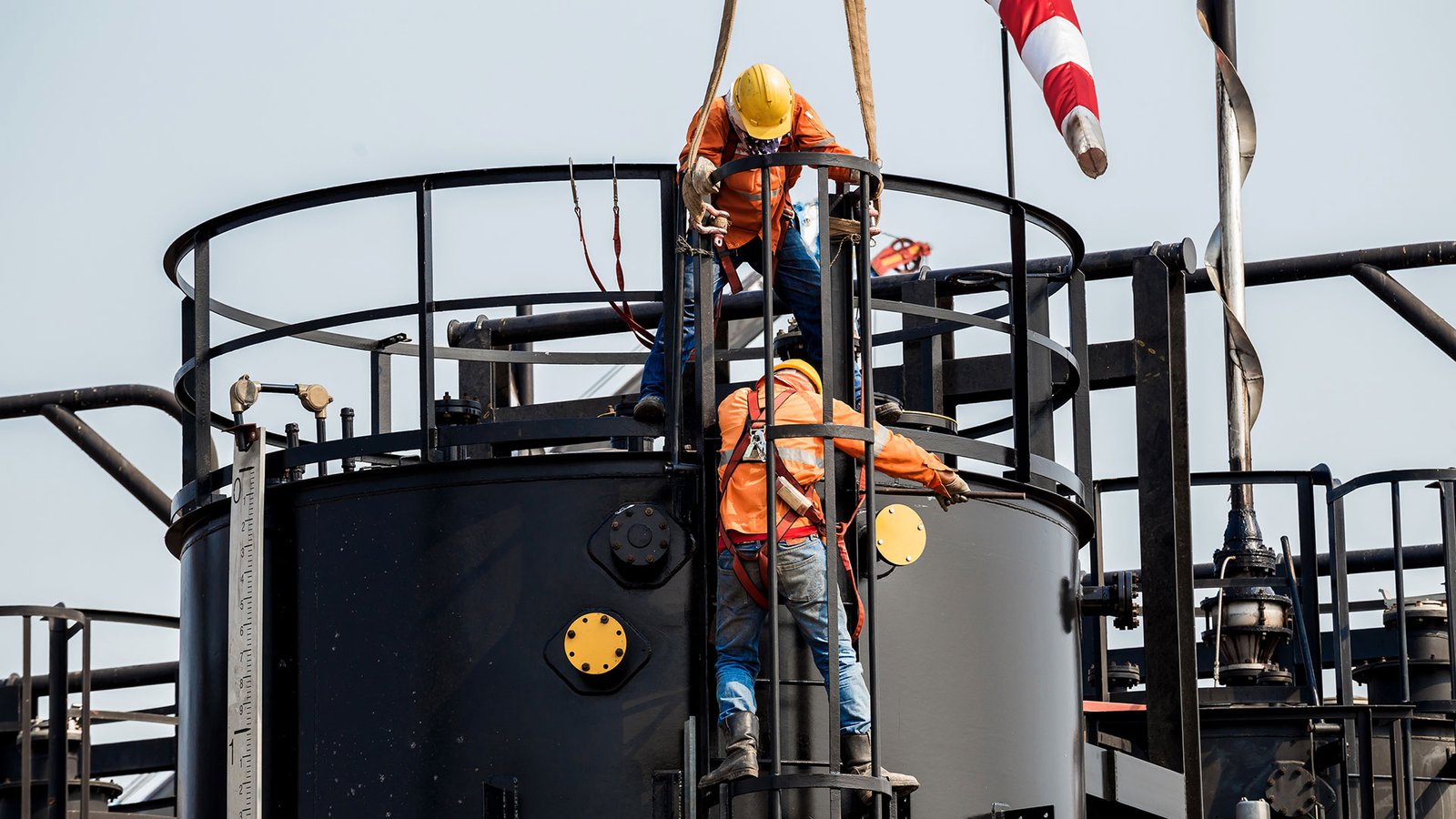
Contract Structures & Payment Expertise
Contract Types We Offer
| Contract Type | Duration | Best For |
|---|---|---|
| Spot Contract | Single cargo | Testing new sources; urgent requirements |
| Short-Term Contract | 3–12 months | Budget certainty; seasonal planning |
| Long-Term Agreement | 1–5+ years | Strategic supply security |
| Term Contract | Annual renewable | Regular, scheduled liftings |
Over 2,000 Crude Oil Contracts Executed
Our team has successfully structured and executed more than 2,000 crude oil contracts across diverse markets, counterparties, and conditions. This unparalleled experience translates to:
Faster negotiations – We know the standard terms and pitfalls
Risk mitigation – Proven clauses that protect our clients
Flexibility – Creative structures for unique requirements
Reliability – Consistent execution track record
Payment Mechanisms in Crude Oil Trade
Crude oil trading involves substantial values—often exceeding $1.5–2 million per transaction—requiring secure, reliable payment mechanisms .
| Mechanism | Description | Best For |
|---|---|---|
| Letter of Credit (L/C) | Confirmed, unconfirmed, or irrevocable | Standard international trade |
| SBLC | Standby Letter of Credit | Performance security |
| MT103/202 | Direct wire transfer | Established relationships |
| Pre-Payment | Advance payment | New relationships; small volumes |
| Deferred Payment | Payment after delivery | Credit-approved buyers |
| Multi-Currency | USD, EUR, CNY, RMB | Currency flexibility |
Specialized Expertise: Challenging Market Payments
| Market | Our Expertise |
|---|---|
| Russia | Navigating sanctions; multi-currency options; alternative settlement mechanisms |
| Iran | Structuring compliant payment mechanisms; local currency solutions; correspondent banking relationships |
| Venezuela | Experience with heavy crude and specialty payments |
Typical Contractual Provisions
Crude oil contracts include specific provisions addressing :
Quality determination – Sampling, testing, certification
Quantity measurement – Vessel meter tickets, shore tank receipts, bill of lading quantities
Provisional payments – Based on bill of lading quantities, final adjustment after inspection
Demurrage – Laytime calculation, demurrage rates
Force majeure – Excusable delays
Governing law and arbitration
Chinese Import Quota System
China’s crude oil imports are governed by a quota system managed by the Ministry of Commerce :
| Element | Detail |
|---|---|
| 2026 Non-State Quota | 257 million tons |
| Allocation | 70% issued in first two batches; third batch expected |
| Quota Holders | Refiners with import资格; ~14 million tons to Yulong refinery |
| Performance Requirement | Near 2-year import history required |
Teapot Refiner Quotas: Unlike 2025 (when full-year allocations were issued upfront), refiners have so far received around 132 million tons across the first two batches of 2026 quotas, equivalent to ~70% of annual allowances . This aligns with pre-2024 allocation patterns.
Chinese Import Documentation Requirements
Chinese Import Documentation Requirements
| Document | Provider |
|---|---|
| Commercial Invoice | ZhimaJituan (exporter) |
| Packing List | ZhimaJituan (exporter) |
| Bill of Lading | Shipping line |
| Certificate of Origin | Chamber of Commerce/Authorities |
| Certificate of Analysis | Independent inspector/SGS/BV/Intertek |
| Certificate of Quantity | Independent inspector |
| Insurance Certificate | Insurer (if CIF) |
| Customs Declaration | Importer/broker |
| Import Quota Certificate | MOFCOM |
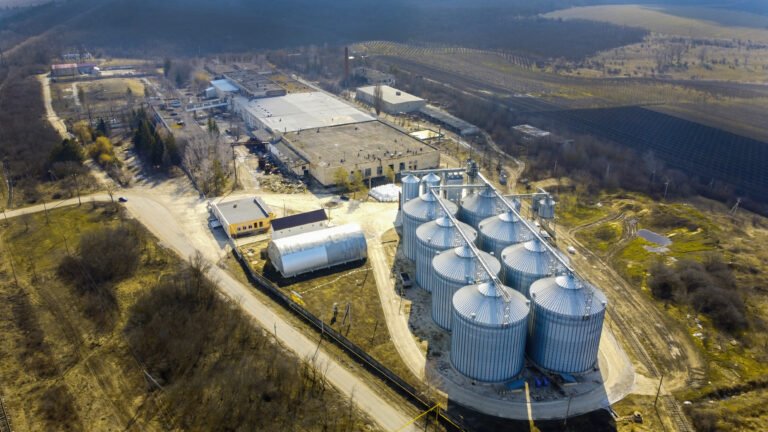
Inspection Protocol
Pre-Loading Inspection – Tank/vessel cleanliness verification
Loading Supervision – Sample collection and sealing (ASTM D4057, D4177)
Laboratory Analysis – Full specification testing (API gravity, sulfur, TAN, metals)
Quantity Verification – Independent measurement (vessel tank gauging, flow meters)
Documentation – Certificate of Analysis, Certificate of Quantity
Quality Assurance & Inspection
We engage internationally recognized third-party inspection agencies to verify quality and quantity at every stage:
Preferred Inspection Agencies
SGS
Bureau Veritas
Intertek
CCL (China Certification & Inspection)
Saybolt
Typical Certificate of Analysis Parameters
| Parameter | Test Method | Typical Range |
|---|---|---|
| API Gravity @ 60°F | ASTM D287/D1298 | 16–45° |
| Sulfur Content | ASTM D4294/D5453 | 0.04–4.0% |
| Water & Sediment | ASTM D4007 | <0.5% |
| Pour Point | ASTM D97 | -60 to +30°C |
| Viscosity | ASTM D445 | 2–500 cSt @ 40°C |
| Total Acid Number | ASTM D664 | 0.01–0.5 mg KOH/g |
| Nickel Content | ICP/ASTM D5708 | 1–100 ppm |
| Vanadium Content | ICP/ASTM D5708 | 1–200 ppm |
| Asphaltenes | IP 143 | 0.5–15% |
| Light Ends (C1–C5) | GPA 2261/GPA 2186 | 0.5–5% |
Why Choose ZhimaJituan



China has emerged as the key destination for sanctioned crude, absorbing around 55% of global seaborne sanctioned exports since 2023 . Our expertise in navigating this complex landscape is unmatched.
Why Partner with ZhimaJituan for LPG?
✅ 20+ Years of LPG Expertise
Our founder Mohammad (Zac / 力帅) brings over two decades of hands-on experience in LPG procurement, trading, and logistics. This is not theoretical knowledge—it is expertise earned through thousands of transactions, countless negotiations, and enduring relationships across the value chain.
✅ 5,000+ Contracts Executed
Our track record speaks for itself. More than 5,000 successful methanol contracts demonstrate our capability to execute consistently across market cycles, geopolitical environments, and counterparty profiles.
✅ Direct Producer Relationships
We maintain direct supply relationships with national oil companies and producers across:
Russia – ESPO, Urals, Sokol, Sakhalin grades
Iran – Light and Heavy grades
Iraq – Basrah Light and Heavy
Oman – Oman Export Blend
Qatar – Land and Marine grades
Malaysia – Tapis, Labuan, Miri, Kikeh
✅ Deep Understanding of Chinese Requirements
Headquartered in Guangzhou and Wuhan, we understand the Chinese market intimately:
Import specifications and customs requirements
Regional refinery configurations and preferences
Quota system and regulatory compliance
Teapot refiner dynamics in Shandong
Key buyers and their feedstock needs
✅ Multi-Currency & Complex Payment Expertise
Few LPG suppliers can match our ability to structure payments in challenging markets. Whether you need USD, EUR, CNY, or local currency settlements, we have the experience and banking relationships to execute.
✅ End-to-End Service
From contract negotiation to final delivery, we manage:
Sourcing and allocation
Price negotiation and risk management
Shipping and chartering
Inspection and quality control
Documentation and customs clearance
Payment structuring and collection
✅ Strategic Presence
With offices in China and operations across the Middle East, we bridge the gap between source and market—physically present where it matters most.
✅ Risk Management Expertise
Our team continuously monitors:
Geopolitical developments in sourcing regions
Shipping route security (Strait of Hormuz, South China Sea)
Price volatility and hedging opportunities
Regulatory changes affecting trade
Supply/demand fundamentals
Sanctions compliance
Our Track Record: Crude Oil Success Stories
Case Study 1: ESPO Pipeline Supply to North China Refinery
Challenge: A major North China refiner required consistent, cost-advantaged ESPO blend supply via pipeline to optimize logistics costs.
Solution: Leveraging our Russian relationships, we structured:
Long-term contract with direct Russian producer
Pipeline delivery via ESPO spur to Chinese border
Monthly pricing linked to published benchmarks
Quality assurance with third-party inspection
Outcome: Three-year contract successfully executed; reliable monthly deliveries; client achieved logistics cost savings.
Case Study 2: Iranian Heavy Supply to Shandong Teapot Refiner
Challenge: A Shandong independent refiner needed cost-competitive heavy sour crude for their coking unit, but lacked Iranian market expertise.
Solution: Our Iranian team arranged:
Direct lifting from Kharg Island
Compliant payment mechanism
War risk insurance for Strait of Hormuz transit
DES delivery to Qingdao port
Full inspection and documentation package
Outcome: Client achieved 15–20% cost savings versus Basrah Heavy; ongoing relationship with multiple cargoes.
Case Study 3: Diversified Portfolio for State-Owned Refiner
Challenge: A state-owned refiner sought to diversify feedstock sources while maintaining quality and managing price risk.
Solution: We structured a portfolio approach:
Base load: Term contract for Basrah Light (Iraq)
Supplemental: Spot cargoes of Urals (Russia) when discounted
Premium: Occasional Tapis (Malaysia) for high-value runs
Blending advice for optimal yield
Outcome: Successful execution of 15+ cargoes over two years; improved refining margins.
Technical Specifications Summary
By Source Country
| Source | Key Grades | API Range | Sulfur | Best For |
|---|---|---|---|---|
| Russia | ESPO, Urals, Sokol | 31–37° | 0.2–1.8% | Competitive pricing; volume |
| Iran | Light, Heavy | 29–35° | 1.4–2.0% | Cost-advantaged; teapot refiners |
| Iraq | Basrah Light, Basrah Heavy | 23–31° | 2.5–4.0% | Heavy sour; volume |
| Oman | Oman Export | 31–33° | 1.0–1.5% | Medium sour; secure supply |
| Qatar | Land, Marine | 32–42° | 1.0–2.0% | Light grades |
| Malaysia | Tapis, Labuan, Miri | 36–45° | 0.04–0.08% | Premium light sweet |
By Grade Type
| Category | Grades | Key Applications |
|---|---|---|
| Light Sweet | Tapis, Sokol | High distillate yield; petrochemical feedstock |
| Light Sour | ESPO, Iran Light, Qatar Land | Balanced yield; flexible refiners |
| Medium Sour | Oman, Urals, Iran Heavy | Core refinery feedstock |
| Heavy Sour | Basrah Heavy, Ratawi | Coking; residual fuel production |
Market Outlook & Trends
Current Market Dynamics (February 2026)
| Trend | Detail | Implication |
|---|---|---|
| Russian Influx | >2 million bpd to China | Intense competition for other suppliers |
| Saudi Price Cuts | OSPs at 5-year low | Increased Saudi flows |
| Iranian Resilience | ~1.3 million bpd | Steady despite Russian competition |
| Venezuelan Constraints | Record imports; storage issues | Potential shift to alternatives |
| Quota System | 257 million tons for 2026 | Disciplined import growth |
Supply Diversification Trends
China is under pressure to diversify its crude supply sources amid geopolitical tensions :
| Diversification Target | Recent Progress |
|---|---|
| Brazil | Share rose to 7.91% in 2025 from 6.73% in 2024 |
| Canada | Diplomatic engagement; 10% of global reserves |
| Other Countries | Combined share rose to 19.77% in 2025 from 16.36% in 2024 |
Long-Term Outlook
Most experts believe the era of a bifurcated energy bloc—where China monopolized cheap crude from sanctioned sources—is evolving . Under U.S. pressure, sanctioned crude may increasingly trade at market prices on the international stage .
For sophisticated buyers, this creates both challenges and opportunities. ZhimaJituan’s expertise across multiple sourcing countries positions our clients to navigate this evolving landscape successfully.
ZhimaJituan as Your Crude Oil Partner
For Chinese buyers seeking reliable, quality-assured crude oil supply, ZhimaJituan offers an unmatched combination of:
- 20+ years of specialized expertise
- 5,000+ successfully executed contracts
- Direct producer relationships across six strategic countries
- Deep understanding of Chinese import requirements
- End-to-end logistics and documentation management
- Multi-currency payment expertise including challenging markets
- Risk management and diversification strategies
Whether you require:
Cost-advantaged Russian ESPO or Urals
Competitive Iranian Light or Heavy
Reliable Basrah grades from Iraq
Secure Oman supply
Premium Malaysian Tapis
Or a diversified portfolio balancing price, quality, and security
ZhimaJituan has the experience, relationships, and track record to deliver.
With China’s non-state crude import quota set at 257 million tons for 2026 and Russian inflows reaching record levels , partnering with an experienced, reliable supplier is more critical than ever.
Our strategic positioning in Guangzhou and Wuhan, deep relationships across the Middle East, Russia, and Asia, and unparalleled execution track record make ZhimaJituan your ideal partner for navigating China’s dynamic crude oil market.
Frequently Asked Questions: Crude Oil
Q1: What is the minimum order quantity for crude oil?
A: Minimum volumes depend on vessel size:
Aframax: ~600,000–700,000 barrels (80,000–100,000 MT)
Suezmax: ~1 million barrels (130,000–150,000 MT)
VLCC: ~2 million barrels (270,000–300,000 MT)
Pipeline (ESPO): Monthly nominations with minimum volumes
Q2: What crude grades do you supply?
A: We supply a full spectrum:
Light sweet: Tapis (Malaysia), ESPO (Russia), Sokol (Russia)
Light sour: Iran Light, Basrah Light, Qatar Land
Medium sour: Oman Export, Urals, Iran Heavy
Heavy sour: Basrah Heavy, Ratawi
Q3: How do you ensure product quality meets specifications?
A: We engage independent third-party inspectors (SGS, Bureau Veritas, Intertek) to test and certify all cargoes before loading. Certificates of Analysis accompany every shipment.
Q4: What is the typical lead time for a crude oil cargo?
A: For spot cargoes:
Russia (Kozmino): 2–4 weeks from contract confirmation
Middle East (Gulf): 3–5 weeks
Malaysia: 2–4 weeks
Q5: Do you offer CFR delivery to Chinese ports?
A: Yes. We offer FOB, CFR, CIF, and DES terms based on client preference.
Q6: Can you help with import quotas and customs clearance?
A: We provide all necessary export documentation. For Chinese imports, we advise on quota utilization and can connect you with experienced customs brokers. Clients must hold valid import quotas.
Q7: What payment terms do you accept for crude oil transactions?
A: We accept L/C, SBLC, MT103/202 wire transfers, and structured payment mechanisms. Multi-currency options available (USD, EUR, CNY, RMB) .
Q8: Which sourcing country offers the best value for Chinese buyers?
A: This depends on your priorities:
Lowest cost: Russia or Iran (deeply discounted currently)
Quality premium: Malaysia (Tapis) for light sweet
Volume reliability: Russia or Iraq
Heavy sour needs: Iraq or Iran
Payment simplicity: Oman, Malaysia, Iraq
We can advise based on your specific refinery configuration and margin objectives.
Q9: How do you manage sanctions compliance?
A: We:
Maintain strict compliance with all applicable international laws
Engage specialized legal counsel for complex transactions
Structure permitted payment mechanisms
Provide full transparency to clients
Monitor regulatory developments continuously
Q10: How doQ10: What is the current import quota situation for 2026? you manage geopolitical risks?
A: The Ministry of Commerce has set the 2026 non-state import quota at 257 million tons . Approximately 70% (132 million tons) has been allocated in the first two batches . A third batch is expected to cover the remaining 30%. Quota holders must have import performance history and appropriate infrastructure .