
The Crude Oil Price in US Dollars: Trends, Factors, and Future Outlook for 2026
Why Crude Oil Prices Matter
Crude oil prices extend far beyond fuel costs—they influence transportation, manufacturing, and the price of numerous consumer goods. Changes in oil prices affect inflation rates and guide central banks’ monetary policies worldwide. Given crude oil’s pivotal role in global trade and economics, keeping an eye on its price in US dollars provides valuable insights into the health of economies worldwide.
Recent Pricing Trends in 2026
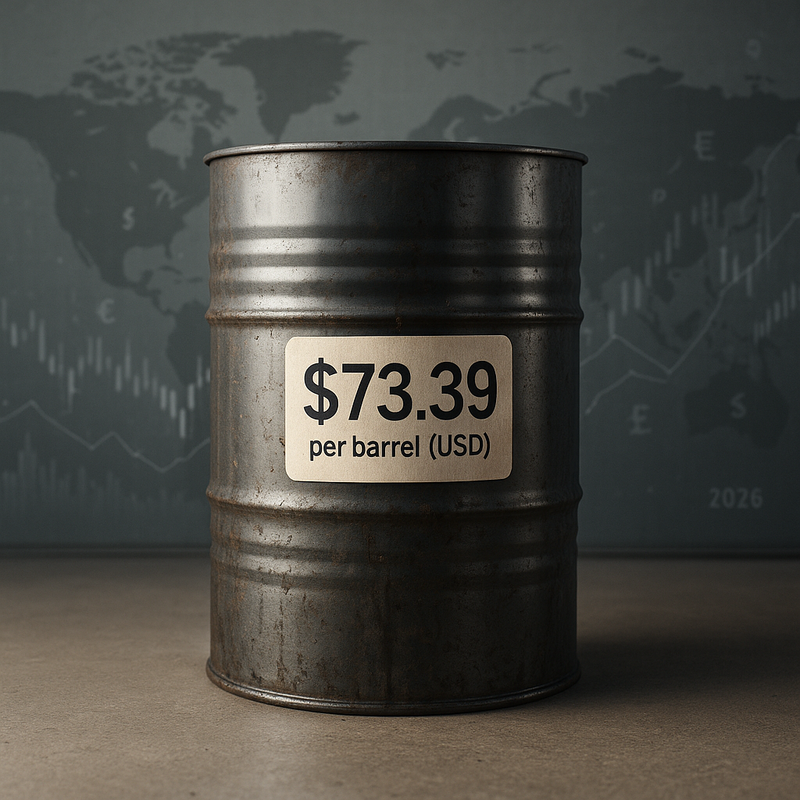
In early 2026, crude oil prices have shown noticeable volatility. The current price is approximately $73.39 per barrel, reflecting a 3.03% increase from the previous trading day, according to Trading Economics. Over the past month, prices shifted by about 12.66%, and are 7.51% higher than the same period last year. This upward momentum is driven by recovering demand, geopolitical tensions, and strategic supply management by producer countries.
Analysis of Current Market Drivers
- Demand Recovery and Economic Growth: As the global economy rebounds from recent setbacks, oil demand rises—especially in transportation and manufacturing sectors.
- Supply Constraints and OPEC Policy: OPEC and allied producers continue production cuts to stabilize markets, tightening supply and bolstering prices.
- Geopolitical Tensions: Conflicts in key oil-producing regions and sanctions on countries like Iran and Venezuela increase supply uncertainty, typically pushing prices up.
- US Dollar Strength: The US dollar’s fluctuations impact crude oil prices directly; a stronger dollar makes oil more expensive for buyers using other currencies, which can dampen demand and weigh on prices.
Key Factors Shaping Crude Oil Prices
OPEC Decisions and Production Levels
OPEC’s production quotas heavily influence global oil supply and prices. Recent adherence to output cuts has tightened availability, driving prices slightly higher. Monitoring OPEC’s meetings remains essential for anticipating market shifts.
Technological Innovations
Advances such as hydraulic fracturing and offshore drilling have expanded supply capacity, particularly in the US, helping to moderate price spikes by enabling more responsive production.
Economic Indicators
Indicators like GDP growth, employment rates, and industrial output closely correlate with oil consumption. Positive trends usually signal rising demand, influencing prices accordingly.
Currency Exchange Rates
Variations in the US dollar exchange rate amplify or soften crude oil price movements. A stronger dollar tends to elevate oil costs for non-dollar buyers, potentially reducing demand.
Historical Context and Statistical Overview
Crude oil prices have historically experienced significant swings, driven by geopolitical events, market speculation, and economic cycles:
- 2018 Average Price: Around $70 per barrel
- 2020 Price Low: Fell to $20 per barrel amid the pandemic-induced demand collapse
- 2021 Recovery: Sharp rebound as economies reopened
- 2026 Current Price: Approximately $73.39 per barrel
These fluctuations highlight crude oil’s sensitivity to diverse factors, emphasizing the need for vigilant market analysis.
Looking Ahead: Price Outlook for 2026 and Beyond
Forecasting crude oil prices is inherently complex, but several trends offer clues:
- Sustained Economic Growth: Ongoing global recovery could keep demand strong, potentially pushing prices upward.
- Energy Transition Impact: Growing adoption of renewables and electric vehicles may gradually lower oil demand, exerting downward pressure on prices.
- Geopolitical Instability: Continued or escalating conflicts in oil-rich regions may cause supply disruptions and price volatility.
Navigating this market requires agility and awareness of these evolving factors.
Conclusion: Understanding Crude Oil Pricing in 2026
In 2026, crude oil prices continue to serve as a crucial barometer of energy market conditions and the broader economy. Price increases reflect the delicate balance of rising demand and controlled supply, set against geopolitical challenges and currency fluctuations. For investors and businesses, grasping these dynamics is vital for sound decision-making.
Practical Recommendations
For stakeholders in the crude oil market:
- Stay Updated on Economic Data: Regularly track GDP, industrial output, and employment to understand demand trends.
- Watch Geopolitical Developments: Stability in oil-producing regions directly affects supply and price volatility.
- Consider Energy Diversification: Investing in renewable energy can help mitigate risks linked to oil price fluctuations.
Reliable sources like OilPrice.com and Trading Economics provide timely data and expert analysis.
References
[1]: Trading Economics. “Crude Oil.” Accessed March 2026: https://tradingeconomics.com/commodity/crude-oil
