
Live Crude Oil Prices: Understanding the Dynamics in 2026
Introduction
As we move through 2026, live crude oil prices continue to play a crucial role in shaping the global economy. More than just a commodity, crude oil fuels industries ranging from transportation and manufacturing to everyday household costs. For investors, businesses, and consumers alike, tracking live crude oil prices is essential for grasping broader economic trends and making informed decisions.
This blog unpacks the current landscape of crude oil prices, examining the key forces influencing the market and their implications for stakeholders. We’ll explore real-time price data, review historical trends, and discuss future outlooks to provide a clear, practical overview of the crude oil market in 2026.
Current Live Crude Oil Price
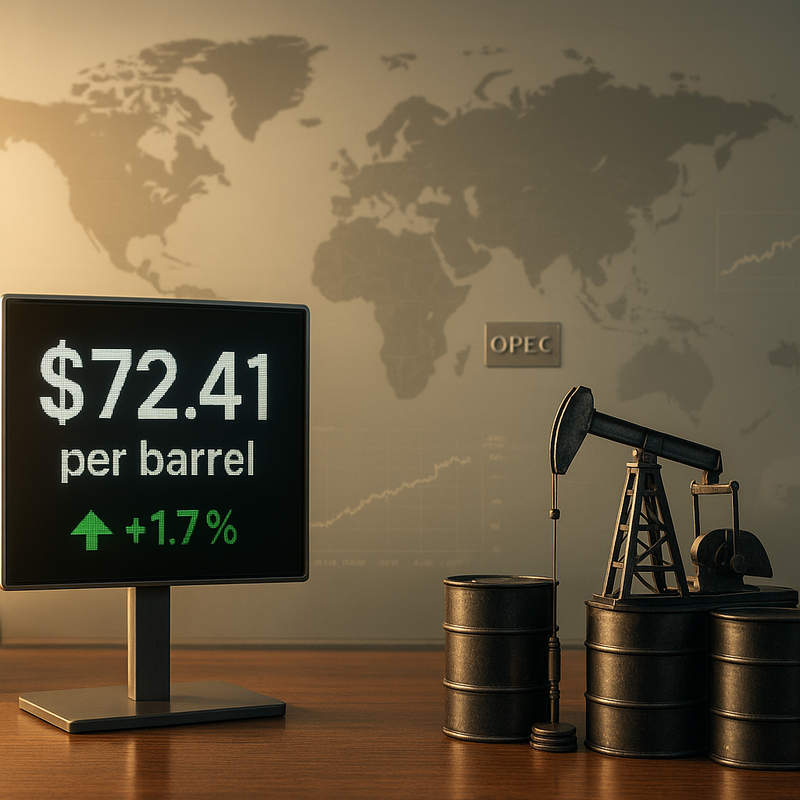
As of March 3, 2026, the live price of West Texas Intermediate (WTI) crude oil hits around $72.41 per barrel, reflecting a 1.65% increase from the previous trading day. This rise contributes to a broader uptrend, with prices climbing 11.16% over the past month. Such momentum highlights market optimism and signals shifts in supply and demand dynamics. According to Trading Economics, this price stability amid fluctuating geopolitical and economic factors demonstrates cautious confidence within the market.
Similarly, Brent crude oil prices follow this upward trend, affecting international markets and global trade flows. For those interested in continuous real-time updates, trusted platforms like OilPrice.com and Investing.com offer valuable live crude oil prices and in-depth analysis.
Bottom line: Staying updated on live crude oil prices empowers timely decisions and deeper insight into shifting market demands and investor sentiment.
Key Factors Influencing Live Crude Oil Prices
Crude oil price movements reflect a complex interplay of factors. Here are the main influences driving the market in 2026:
1. Geopolitical Events
Political unrest in key oil-producing regions disrupts supply and triggers price volatility. In 2026, ongoing tensions between Iran and Saudi Arabia keep the market cautious, as potential supply interruptions add risk premiums into crude oil prices.
2. OPEC+ Production Policies
OPEC and its allies maintain a strong grip on global oil supply. Recent decisions by OPEC+ to cut production have tightened supply, pushing prices higher by balancing demand-supply fundamentals.
3. Economic Indicators
Global economic health shapes oil consumption. Strong GDP growth, manufacturing activity, and improving employment rates generally elevate energy demand, driving crude prices upward.
4. Inventory Levels
Stockpile data — especially from the U.S. Energy Information Administration (EIA) — offers insight into supply conditions. Rising crude inventories typically weigh down prices, while declining reserves signal tighter markets and upward price pressure.
5. Natural Disasters and Environmental Events
Extreme weather continues to impact oil operations and transport. Events like hurricanes can cause immediate supply disruptions, swiftly influencing crude oil prices.
6. Alternative Energy and Technological Advances
The rise of renewable energy and electric vehicle technology is gradually affecting long-term oil demand. These trends could dampen future growth in crude consumption, shaping pricing dynamics.
Key takeaway: Live crude oil prices respond to a multifaceted blend of geopolitical, economic, environmental, and technological factors. Continuous monitoring is essential for a well-rounded market perspective.
Historical Trends: A Comparative Analysis
2016–2021: Recovery amid Shocks
- After a period of oversupply, crude prices recovered to $60–$70 per barrel by early 2020.
- The COVID-19 pandemic caused extreme volatility, including historic negative prices in April 2020 due to collapsing demand.
- As economies reopened in 2021, demand resurgence pushed prices back above $80 per barrel.
2022–2025: Supply Challenges and Geopolitical Tension
These years saw prices fluctuating between $65 and $85, driven by supply constraints, geopolitical conflicts in Eastern Europe and the Middle East, and shifting demand patterns — reflecting ongoing market uncertainty.
Insight: Crude oil prices remain highly sensitive to global shocks and economic cycles, emphasizing the need for vigilant analysis.
Future Predictions for Crude Oil Prices
Looking ahead, live crude oil prices in 2026 show mixed projections:
Bullish Scenario
- Growing economies, especially in emerging markets, suggest stronger oil demand.
- Supply restrictions by OPEC+ and geopolitical risks could sustain upward price pressure.
Bearish Scenario
- Accelerating commitments to renewable energy and carbon reduction may suppress demand growth.
- Advances in electric vehicles and alternative technologies might hasten the shift away from fossil fuels.
Conclusion: Future pricing hinges on balancing immediate demand rebounds against the long-term energy transition. Diverse strategies and adaptability are key for those navigating this evolving landscape.
Conclusion
Tracking live crude oil prices in 2026 demands an integrated view of geopolitical events, OPEC+ policies, economic indicators, and technological shifts. These factors combine to create a market environment rich with both challenges and opportunities.
Key Takeaways
- Staying updated on live crude oil prices is vital for smart financial and business decisions.
- Geopolitical developments and economic data strongly impact price changes.
- Historical context enhances understanding of market volatility and shapes future expectations.
Suggested Actions
- Follow live crude oil prices regularly via trusted sources like MarketWatch and Trading Economics.
- Keep an eye on global political and economic developments.
- Diversify investments to mitigate exposure to oil price swings.
By staying proactive and informed, investors and businesses can better anticipate shifts in live crude oil prices and position themselves for success amid market uncertainties in 2026.
