
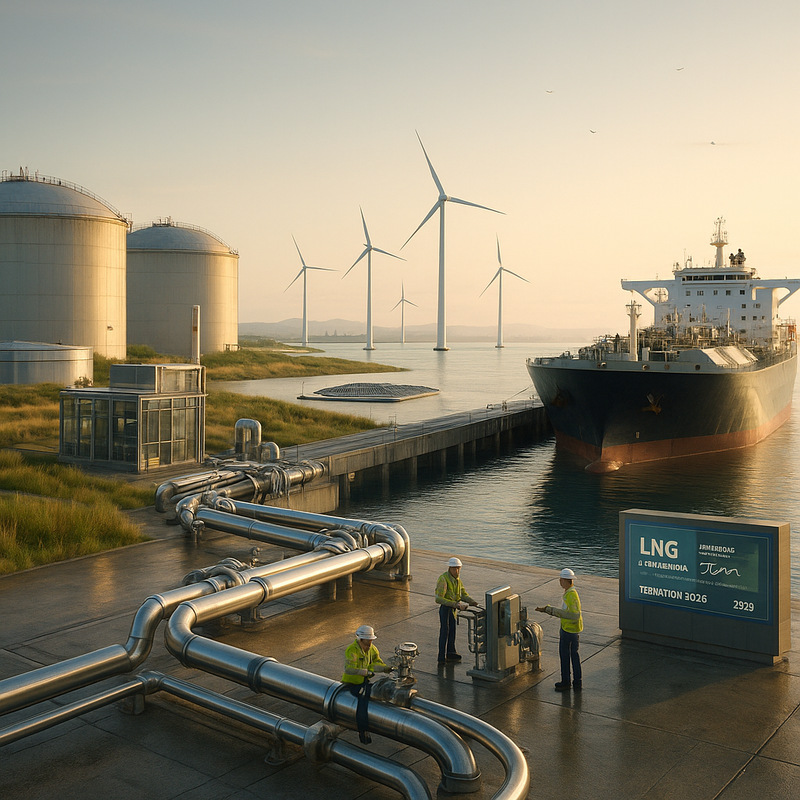
The Future of Liquefied Natural Gas (LNG) Companies in 2026
Introduction
As the global energy landscape evolves at an unprecedented pace, Liquefied Natural Gas (LNG) has emerged as a crucial bridge between traditional fossil fuels and renewable energy solutions. By 2026, LNG companies are no longer just players in gas extraction and transportation—they are driving innovation, sustainability, and adaptation to ever-changing global energy demands.
This blog dives deep into the essential role of LNG companies, exploring their challenges, opportunities, geopolitical influences, and future outlook. We’ll also shed light on the winning strategies top LNG firms are adopting amidst this dynamic energy transition.
Understanding LNG and Its Importance
What is LNG?
Liquefied Natural Gas (LNG) is natural gas cooled to about -162°C (-260°F), shrinking its volume nearly 600 times to enable safe, efficient transport across regions where pipelines aren’t feasible.
Why LNG Matters
- Cleaner Energy Alternative: Producing fewer greenhouse gases and pollutants than coal or oil, LNG is a favored transitional fuel on the road to reducing global carbon footprints.
- Enhanced Energy Security: LNG diversifies energy supply, offering countries flexible choices beyond coal and oil—bolstering energy resilience.
- Economic Growth Engine: LNG projects stimulate capital investments, job creation, and critical infrastructure development, benefiting global and local economies.
The Current Landscape
According to Deloitte’s 2026 Oil and Gas Industry Outlook, LNG demand—and associated capital investment—is soaring, especially in Asian and European markets. Industry giants like Shell, Chevron, and ExxonMobil are aggressively expanding LNG production and export capabilities in response to these trends and global clean energy commitments.
Controlling the full LNG value chain—from exploration through liquefaction, shipping, and regasification—gives these companies the agility to navigate market fluctuations and risks effectively.
Challenges Facing LNG Companies in 2026
Regulatory & Environmental Hurdles
Tightening regulations aimed at slashing greenhouse gas emissions compel LNG companies to adopt cleaner technologies and sustainable practices—failing to comply risks heavy penalties and rising operational costs.
Geopolitical Instability
Political tensions and conflict in key producing regions threaten LNG supply chains. Trade embargoes and sanctions add complexity, putting global LNG trade routes under constant uncertainty.
Market Demand Volatility
Renewable energy growth is reshaping LNG consumption patterns, introducing seasonal and policy-driven fluctuations that call for flexible, adaptive production strategies.
Technological Advancements
Keeping pace with cutting-edge tech—such as carbon capture and storage (CCS) and enhanced liquefaction techniques—is critical for boosting efficiency and slashing emissions, ensuring long-term industry viability.
Opportunities for Growth
Expanding into Emerging Markets
Rapid urbanization and industrial growth in Asia, including India and Southeast Asia, are driving LNG demand—opening new, lucrative markets for expansion.
Infrastructure Investments
Massive capital infusions are earmarked for new liquefaction plants, regasification terminals, and transport networks—amplifying LNG’s capacity and operational efficiency.
Innovation via Strategic Partnerships
Collaborations between LNG firms and technology innovators accelerate breakthroughs that reduce costs, heighten efficiency, and minimize environmental impacts, propelling industry progress forward.
Charting a Path Toward Hydrogen
LNG companies are uniquely positioned to advance the hydrogen economy through blue hydrogen production—combining natural gas use with carbon capture—supporting the broad move to cleaner energy sources.
Key Players in the LNG Industry
- Shell: Leading investments in infrastructure and cutting-edge technology, Shell optimizes production to expand global LNG presence.
- Chevron: With flagship projects in Australia, Chevron prioritizes sustainability and emissions reductions across its LNG portfolio.
- ExxonMobil: Leveraging advanced tech in the U.S. and Papua New Guinea to elevate production efficiencies.
- TotalEnergies: Merging LNG ventures with renewable energy initiatives for a balanced, sustainable future.
- Novatek: Russia’s Novatek focuses on Arctic LNG projects and scaling natural gas production to capture emerging market prospects.
The Future of LNG in the Energy Transition
Long-Term Strategic Vision
Sustainable, efficiency-driven strategies and robust R&D investments are essential for LNG companies aiming to reduce environmental impact while meeting global energy needs.
Integrating Renewables
Embracing renewables alongside LNG creates versatile, reliable energy solutions that align with evolving regulations and consumer expectations.
Strengthening Global Collaboration
Cross-border alliances accelerate technological innovation, knowledge sharing, and coordinated responses to industry challenges, boosting the entire LNG ecosystem.
Tailoring to Local Markets
Customizing approaches to regional energy requirements via partnerships with governments and local stakeholders fortifies market positioning and supports sustainable growth.
Key Takeaways
- LNG is poised for robust growth in 2026 as a key player in cleaner energy transitions.
- LNG companies face significant challenges including regulatory pressures, geopolitical risks, and fluctuating demand.
- Expanding markets, infrastructure upgrades, and innovation partnerships offer promising growth avenues.
- Leading LNG companies are reshaping strategies to meet sustainability goals and dynamic market conditions.
Suggested Next Steps
- Research Deeply: Explore detailed market reports and analyses for sharper insights into LNG trends.
- Engage Experts: Join industry conferences and forums to connect with leaders steering the LNG evolution.
- Stay Informed: Monitor trusted energy publications to keep up with ongoing developments.
Conclusion
The LNG sector stands at a pivotal juncture. By tackling challenges head-on and leveraging new opportunities, LNG companies can solidify their role as key drivers of a balanced, sustainable global energy future. As 2026 unfolds, the course these companies chart will profoundly influence the worldwide energy transition.
