
Crude Oil Prices Today: Key Insights and What They Mean for 2026
When looking at crude oil prices today, it’s more than just tracking numbers—it’s about understanding the bigger picture driving those prices. The current cost of crude oil reflects a complex mix of geopolitical events, supply and demand shifts, ongoing economic recovery, and the global push toward climate-friendly policies. For consumers, businesses, and policymakers alike, grasping these elements is essential to navigating the energy market with confidence.
Where Are Crude Oil Prices Now?
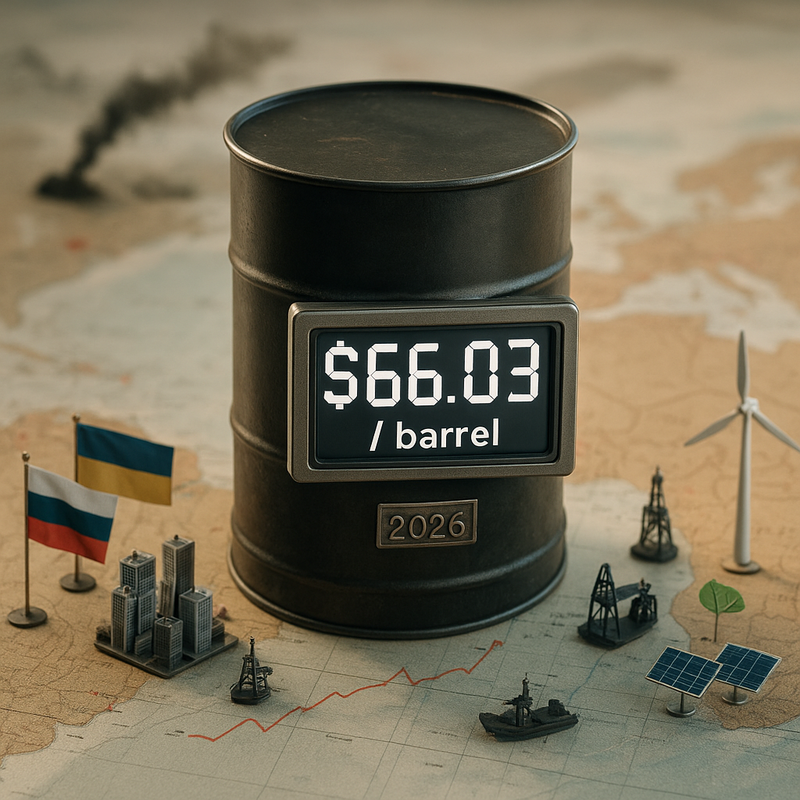
As of February 24, 2026, crude oil prices hover around $66.03 per barrel. That’s a slight dip of 0.42% from the day before but an overall increase of nearly 8.91% over the past month (Trading Economics). This kind of fluctuation is normal given the many factors at play.
Important Benchmarks to Watch
- Brent Crude: The global benchmark giving insight into international oil price trends.
- West Texas Intermediate (WTI): Mainly influences U.S. markets and can react differently due to regional factors.
Knowing these benchmarks helps you understand how crude oil prices respond to worldwide events.
What’s Driving Crude Oil Prices Today?
Several forces are shaping crude oil prices right now:
Geopolitical Tensions
Political unrest in oil-rich regions like the Middle East and parts of Africa keeps supply uncertain. Sanctions, export limits, or instability—especially involving countries like Iran and Russia—can tighten supply and push prices up (MarketWatch).
Economic Recovery After COVID-19
As economies steadily recover from the pandemic, demand for energy—particularly oil—is climbing. More industrial activity and increased transportation mean more oil consumption, supporting price gains.
OPEC+ Production Choices
OPEC+ continues to play a major role by adjusting oil output to balance the market. Production cuts tend to keep prices stable or rising, while increasing supply can bring prices down.
Climate Policies and the Energy Shift
Efforts to combat climate change and expand renewable energy reshape long-term oil demand forecasts. While fossil fuel use is expected to decline eventually, the transition period leads to unpredictable demand patterns and investment shifts impacting supply today.
Why Crude Oil Price Changes Matter
For Consumers
Gas prices are tightly linked to crude oil prices. At about $3.50 per gallon currently, rising fuel costs affect household budgets and transportation expenses across the board.
For Businesses
Industries like manufacturing, transportation, and agriculture see their energy costs fluctuate with oil prices. Increased fuel costs often raise manufacturing and delivery expenses, which can translate into higher prices for consumers and contribute to inflation.
Pushing Alternative Energy Growth
Volatile oil prices motivate greater investment in renewables and new energy technologies. Both companies and governments strive to diversify energy sources to reduce fossil fuel reliance and stay ahead of market shifts.
What’s Next for Crude Oil Prices?
- Geopolitical Developments: Political stability and diplomacy in key oil regions remain unpredictable, sometimes triggering sharp price moves.
- Economic Trends: Ongoing tracking of global growth will reveal how demand evolves.
- Technological Progress: Breakthroughs in extraction and energy efficiency could either boost supply or reduce consumption.
- Climate Laws and Initiatives: Government policies aimed at cutting emissions will progressively lower oil demand and transform industry investments.
Conclusion: Making Sense of Oil Price Dynamics in 2026
At about $66.03 per barrel, crude oil prices today reflect a delicate balance of geopolitics, economic forces, and environmental shifts. Understanding what drives these prices empowers consumers and businesses to make smarter, strategic decisions amid uncertainty.
Highlights to Remember:
- Geopolitical tensions, economic recovery, and OPEC+ decisions are key price drivers.
- Consumer fuel prices impact daily life and budgets.
- Growing renewable energy investments signal a major market transformation underway.
Practical Tips:
To manage risks tied to oil price swings, explore energy diversification and monitor trusted sources like Oil Price and Bloomberg Energy. Staying informed is your best strategy for adapting to this ever-changing energy market.
By diving deeper into the factors behind crude oil prices, everyone—from individuals to large organizations—can confidently face the challenges and opportunities within the evolving energy landscape.
